Today, it’s widely understood that data is an asset and the lifeblood of most organizations, yet fewer understand the inherent risks associated with obtaining, processing, sharing, and storing data. As the global average cost of a data breach reaches $4.4 million in 2025, three words define the future sanctity of data security: data security compliance.
Approximately 402.74 million terabytes of data are created each day and are projected to grow to more than 394 zettabytes in 2028, demonstrating the responsibility of ensuring data handling remains secure against cyber threats and compliant with evolving regulations.
This is where data security compliance steps in.
What is Data Security Compliance
Data security compliance reflects an organization’s efforts in implementing the policies, frameworks, and standards that protect sensitive data from unauthorized parties, all while ensuring data security practices comply with evolving regulatory requirements.
It’s a comprehensive approach that requires organizations to adopt industry best practices and onboard data security controls to ensure the availability, confidentiality, and integrity of their data assets. This is crucial in ensuring data governance that enables organizations to manage the risk vector without compromising on data security and facing compliance violations.
At its core, data security compliance can be segregated into:
- Data: The raw and processed information that’s crucial for business operations and critical decision-making that must always be protected. This includes personal and sensitive information (personal identifiers to confidential information such as health records, biometric data, and financial information).
- Security: The technical, personal, and administrative safeguards that protect data from evolving threats, such as data breaches, unauthorized access, inadvertent exposure, or misuse.
- Compliance: The ability to comply with data privacy laws, frameworks and standards that are designed to protect consumer data. Compliance with regulatory requirements is as crucial as conforming to ethical values.
Although these three words can be commonly heard across boardrooms, only a few fully connect to the imminent need for and importance of data security compliance.
Importance of Data Security Compliance
Data privacy and security standards and laws across the globe are constantly evolving, necessitating organizations to be better custodians of consumer data and adopt adequate security measures to safeguard data from cyberattacks and data loss. Therefore, data security compliance is crucial for laying the groundwork for a robust data security posture management strategy.
In addition to being more secure, organizations that prioritize compliance are also better positioned to stay ahead of the constantly evolving threat landscape and quickly access data when required. PwC’s Global Compliance Survey 2025 highlights the immense benefits of adopting robust data security compliance practices.
Additionally, one of the significant contributors to data breach costs, according to IBM's Cost of a Data Breach Report 2025, was noncompliance with regulations. Maintaining data security compliance necessitates both proactive process implementation and documentation to demonstrate compliance to regulatory bodies. A comprehensive data security compliance plan consists of several key aspects, including:
- Data classification based on sensitivity levels
- Encrypting data deemed sensitive
- Limiting user access to sensitive data
- Storing data backups for future use in case of data loss
- Recording compliance-related actions
This demonstrates the critical need to gain data visibility, track data lineage, adopt data minimization and retention requirements, conduct risk assessments and security audits, among several other practices to safeguard data, maintain stakeholder confidence, and address the highly volatile threat landscape.
Common Data Security Compliance Standards and Regulations
Ensuring data security compliance is no easy feat, especially as you’re operating in a highly regulated environment. It requires a multi-faceted approach and an in-depth understanding of key domestic and international laws that govern data security compliance. These include:
A. General Data Protection Regulation (GDPR)
Perhaps the most stringent data protection law in the world, the European Union’s General Data Protection Regulation (GDPR), in effect since 25 May 2018, imposes obligations on organizations anywhere, so long as they target or collect data related to people in the EU.
It governs the collection and use of an individual’s personal data and imposes requirements for consent, privacy by design and privacy by default, data minimization, data protection impact assessments, data breach notifications, privacy policies, and much more.
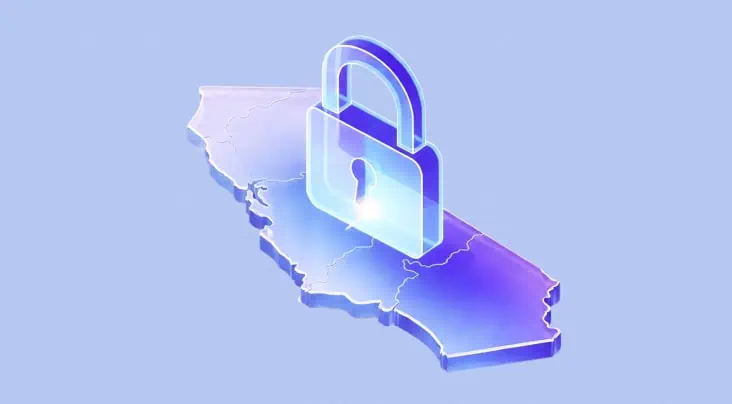
B. California Consumer Privacy Act / California Consumer Privacy Rights Act (CCPA/CPRA)
Both the CCPA and the CPRA mandate organizations to implement reasonable security procedures and practices appropriate to the nature of the personal information to protect the personal information from unauthorized or illegal access, destruction, use, modification, or disclosure. It also requires organizations to maintain documentation of records and compliance initiatives to demonstrate compliance as and when required by an investigative body.
C. Health Insurance Portability and Accountability Act (HIPAA)
HIPAA protects sensitive patient information obtained, processed, shared, and stored by healthcare providers and related entities. As per the HIPAA Security Rule, a specific rule under HIPAA, regulated entities are required to implement administrative, physical, and technical safeguards and secure individuals’ electronic protected health information.
D. Payment Card Industry Data Security Standard (PCI DSS)
PCI DSS aims to protect payment data throughout the payment lifecycle. The Standard imposes several obligations on entities, most notably security requirements that require the implementation of robust controls on systems, networks, and organizational processes that handle data. These include encryption, firewalls, access controls, etc.
E. ISO/IEC 27001
This risk management standard ensures organizations have specific controls in place that ensure data security, which in turn results in compliance. Like other laws and standards, it imposes multiple obligations on businesses geared towards data security compliance.
Automate Data Security Compliance with DSPM
Compliance is a byproduct of data security & risk management. Securiti’s Data Security Posture Management provides holistic insight into the security posture of your data assets, whether on premises, cloud, or spanning multi-cloud environments.
It automatically remediates misconfigurations by continuously assessing, managing, and reporting on compliance posture while organizations focus on detecting and remediating risks, ensuring that your sensitive data stays protected.
With Securiti’s DSPM, organizations can:
- Discover dark & cloud native data assets and connect to SaaS applications
- Scan and label sensitive data in structured and unstructured systems
- Prioritize & remediate misconfiguration issues based on sensitive data type
- Monitor access to sensitive data and enforce least privileged controls
- Extend data controls to improve data privacy, governance, and compliance
- Detect security misconfigurations of SaaS applications (Workday, ServiceNow, Snowflake, Zendesk, Salesforce, Slack, and IaaS applications
- Activate hundreds of built-in or custom policies to detect security misconfigurations related to identity, access, encryption, and more
Proprietary unified custom compliance framework helps merge overlapping obligations and the ability to embed own company-specific compliance policies. Request a demo to see Securiti in action.